Geotechnical laboratory testing forms the backbone of any well-informed construction or infrastructure project in Dallas. This category encompasses the physical and mechanical evaluation of soil and rock samples recovered from the field, translating raw subsurface data into the critical engineering parameters needed for design. In the Dallas-Fort Worth metroplex, where rapid urbanization pushes development onto increasingly variable terrain, laboratory analysis is not just a quality-control step—it is a fundamental risk-management tool. From assessing the expansive potential of local clays to verifying the compaction of structural fill beneath a slab-on-grade foundation, the laboratory provides the quantitative evidence that guides safe, cost-effective decisions.
Dallas sits atop a complex geological mosaic dominated by the Cretaceous-age Eagle Ford Shale and the overlying Austin Chalk, with significant alluvial deposits along the Trinity River and its tributaries. These formations present unique challenges: the Eagle Ford is notorious for its high plasticity and shrink-swell behavior, while the chalk can contain dissolution features and variable hardness. Laboratory testing is essential to characterize these materials accurately. A grain size analysis (sieve + hydrometer) reveals the distribution of gravel, sand, silt, and clay fractions, which directly influences drainage characteristics and susceptibility to frost action, even in North Texas's mild winter climate. Equally important, Atterberg limits testing quantifies the liquid and plastic limits of fine-grained soils, providing a direct measure of their expansive potential—a primary cause of foundation distress in the region.
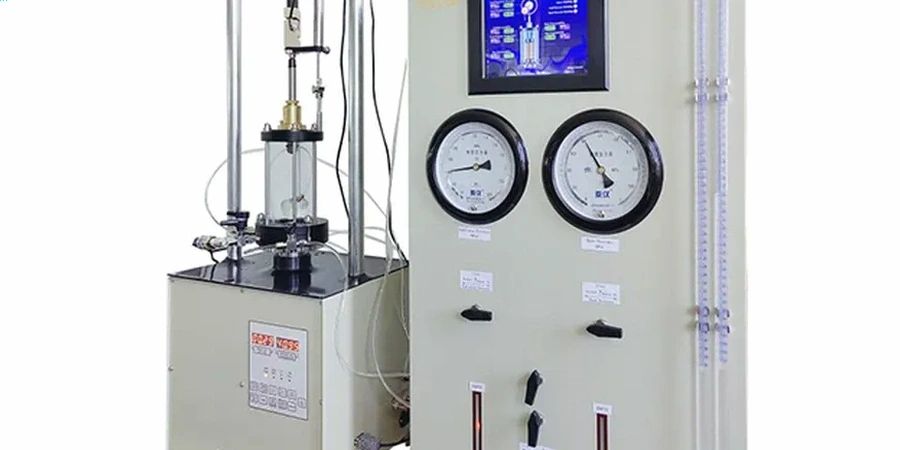
Adherence to nationally recognized standards is mandatory for all laboratory procedures performed on Dallas projects. The American Society for Testing and Materials (ASTM) International governs the majority of test methods, including ASTM D422 for particle-size analysis and ASTM D4318 for Atterberg limits. These standards ensure consistency and allow engineers to compare results across different sites and laboratories. Additionally, local municipalities and the Texas Department of Transportation (TxDOT) often reference these ASTM standards in their specifications, sometimes with supplemental test methods outlined in TxDOT's own Tex- series manuals. For projects involving public infrastructure or those requiring permits from cities like Dallas, Plano, or Irving, the laboratory testing program must align with these regulatory frameworks to gain approval.
The types of projects that demand a comprehensive laboratory testing program are diverse. High-rise developments in Downtown Dallas and the Uptown corridor require deep foundation systems, where laboratory-derived shear strength and consolidation parameters from borehole samples dictate pile lengths and capacities. Residential subdivisions sprawling across the Blackland Prairie rely on routine classification tests, including grain size analysis, to design moisture-conditioned structural fills and select appropriate foundation types. Transportation infrastructure, from the expansion of DART light rail lines to highway interchanges, depends on laboratory CBR, Proctor, and resilient modulus testing for pavement design. Even environmental remediation projects at former industrial sites in the Dallas Design District utilize laboratory analysis to confirm contaminant levels before redevelopment can proceed safely.
Quick answers
Why is laboratory testing necessary for a construction project in Dallas, and can't I just rely on field observations?
Field observations provide qualitative context, but only laboratory testing delivers the precise, quantitative data required for engineering design. In Dallas, where expansive Eagle Ford Shale is widespread, visual classification alone cannot determine a soil's shrink-swell potential. Tests like Atterberg limits and grain size analysis generate the numerical parameters needed for foundation design, slope stability analysis, and pavement thickness calculations, ensuring compliance with ASTM standards and local building codes.
What types of soil tests are typically mandated by local building authorities in the Dallas area?
Local authorities in Dallas generally require a geotechnical report that includes laboratory test results to support design recommendations. Commonly mandated tests include Atterberg limits to assess expansive clay risk, grain size analysis for drainage and classification, and compaction tests like the Standard Proctor to verify engineered fill. For deeper foundations, unconfined compression or triaxial shear tests on rock and soil are often required, all performed in accordance with ASTM or TxDOT specifications referenced in the permitting process.
How do laboratory tests help address the problem of expansive clay soils common in North Texas?
Laboratory tests directly quantify the expansive nature of local clays. The Atterberg limits test measures a soil's liquid limit and plasticity index, which are strong indicators of swell potential. A complementary grain size analysis reveals the percentage of clay-sized particles. By combining these results, engineers can calculate the Potential Vertical Rise (PVR) of a site, allowing them to design appropriate foundation systems, such as post-tensioned slabs or drilled piers, that mitigate the risk of structural damage from soil movement.
What is the typical turnaround time for receiving results from a geotechnical laboratory in Dallas?
Turnaround times vary based on the complexity and volume of testing. Routine classification tests like grain size analysis and Atterberg limits can often be completed within 3 to 5 business days. Tests requiring longer curing or saturation periods, such as consolidation or triaxial shear, may take one to three weeks. Project schedules should account for this lead time, and a qualified laboratory director can provide a detailed schedule during the proposal phase to align testing milestones with construction timelines.