Underground excavations in Dallas represent a critical discipline within geotechnical engineering, encompassing the planning, design, construction, and monitoring of subsurface voids required for infrastructure development. The category covers a broad spectrum of activities, from tunneling through soft soils for transit and utility corridors to creating deep basements and shafts for commercial high-rises. In a city experiencing continuous urban densification, the ability to safely and efficiently build below the surface is not just a technical necessity but a fundamental enabler of economic growth. The local geology, dominated by the Eagle Ford Shale and the overlying Austin Chalk, combined with alluvial deposits along the Trinity River, creates unique challenges that demand specialized expertise in excavation behavior and ground support.
The geology of Dallas is characterized by sedimentary rock formations that exhibit significant variability in strength, weathering, and jointing. The Austin Chalk, often encountered in shallow excavations, can be competent yet highly fractured, leading to unpredictable water inflow and block fallout. Deeper projects frequently penetrate the Eagle Ford Shale, a material notorious for its time-dependent swelling and slaking behavior upon exposure to air and moisture. This condition necessitates robust support systems and rapid construction sequencing. A particularly challenging aspect is the execution of geotechnical analysis for soft soil tunnels in the mixed-face conditions prevalent near the river corridors, where soft, saturated sands and gravels abruptly transition into weathered shale, demanding adaptive excavation methods and precise face control.
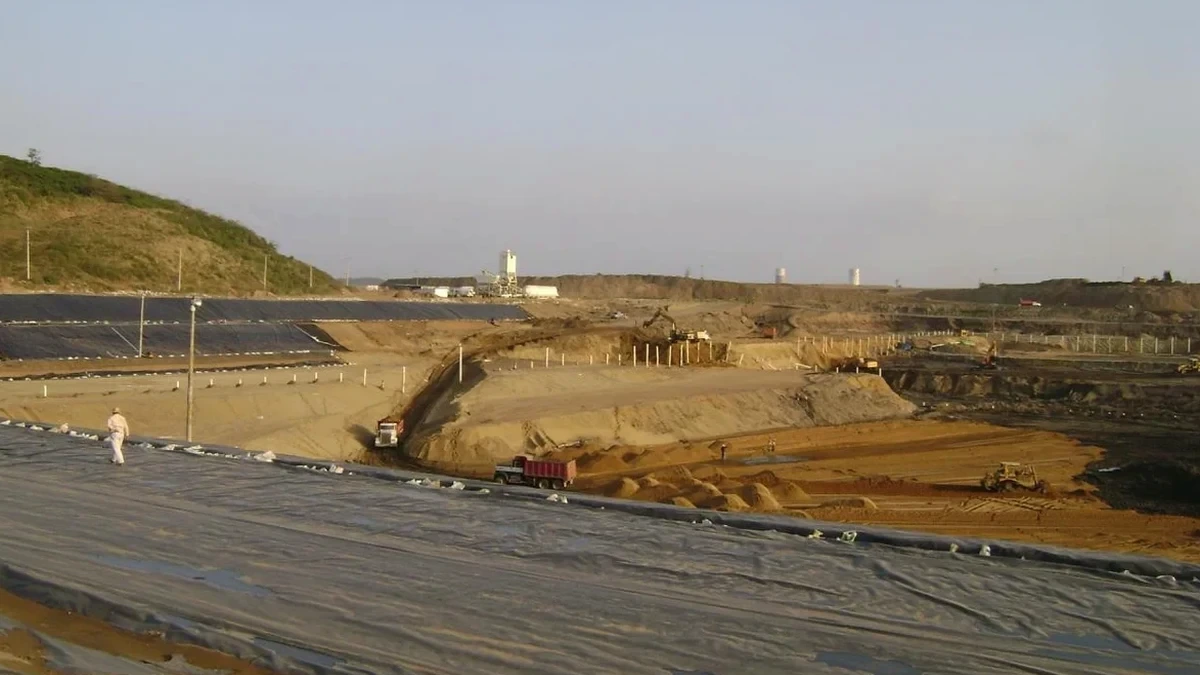
Regulatory compliance for underground excavations in the United States, and specifically Texas, is governed primarily by the Occupational Safety and Health Administration (OSHA) Standard 29 CFR 1926 Subpart S, which mandates rigorous classification of soil and rock, protective system design, and daily inspections by a competent person. For tunneling projects, the NFPA 502 standard for road tunnels and bridges often applies for fire protection, while the design itself typically follows guidelines from the Federal Highway Administration (FHWA) for transportation works. Crucially, the City of Dallas building code and associated permitting processes require detailed geotechnical baseline reports (GBRs) to manage contractual risk, making thorough site investigation and accurate geotechnical design of deep excavations an indispensable part of any project that alters the city's subsurface profile.
The range of projects requiring these specialized services is vast and integral to Dallas's infrastructure. Large-scale developments like the expansion of the DART light rail system, the construction of underground parking structures in the downtown core, and the installation of deep sewer and water conveyance tunnels all fall under this umbrella. The Dallas Floodway Extension project, for instance, involves significant earthmoving and controlled excavation. Modern urban drainage solutions, such as large-diameter stormwater storage tunnels, rely entirely on underground excavation techniques. Across all these applications, the implementation of a continuous geotechnical excavation monitoring program is essential to validate design assumptions, track ground movements that could impact adjacent structures, and ensure the safety of both workers and the public.
Quick answers
What are the primary geological risks when excavating in Dallas?
The main geological risks involve the Eagle Ford Shale and Austin Chalk formations. The Eagle Ford Shale is prone to severe swelling and rapid deterioration when exposed to air and water, leading to ground loss and instability. In the Austin Chalk, highly fractured zones can cause sudden water inflows and rock falls. Mixed-face conditions along the Trinity River, where soft soils meet weathered rock, create additional challenges for maintaining tunnel face stability.
Which OSHA standards apply to underground excavation safety in Dallas?
OSHA's 29 CFR 1926 Subpart S is the primary federal standard governing excavation and trenching safety, requiring protective systems for any excavation deeper than 5 feet in competent rock or 4 feet in soil. It mandates daily inspections by a designated 'competent person' who can identify and mitigate hazards like cave-ins and atmospheric risks. For tunneling, additional OSHA construction standards and local Dallas fire codes, such as NFPA 502, may apply.
How is the design of a deep excavation validated during construction in Dallas's soil conditions?
Design validation relies heavily on the observational method, which combines a robust initial geotechnical design with a comprehensive field instrumentation and monitoring plan. Instruments like inclinometers, extensometers, and piezometers are installed to measure lateral wall deflection, settlement, and groundwater pressure in real time. This data is continuously compared against the design predictions to confirm that the excavation behavior remains within acceptable limits, allowing for timely design adjustments if unexpected ground movements occur.
What is a Geotechnical Baseline Report (GBR) and why is it crucial for Dallas tunnel projects?
A Geotechnical Baseline Report (GBR) is a contractual document that establishes the anticipated subsurface conditions for a tunneling project. It defines the baseline of physical ground behavior, groundwater levels, and potential obstructions against which construction performance and costs are measured. In Dallas, where ground conditions can change abruptly from soft alluvium to shale, a precise GBR is crucial for allocating risk fairly between the owner and contractor, minimizing costly disputes over unforeseen ground conditions.